How to Detect Plumbing Leaks Before They Cause Damage
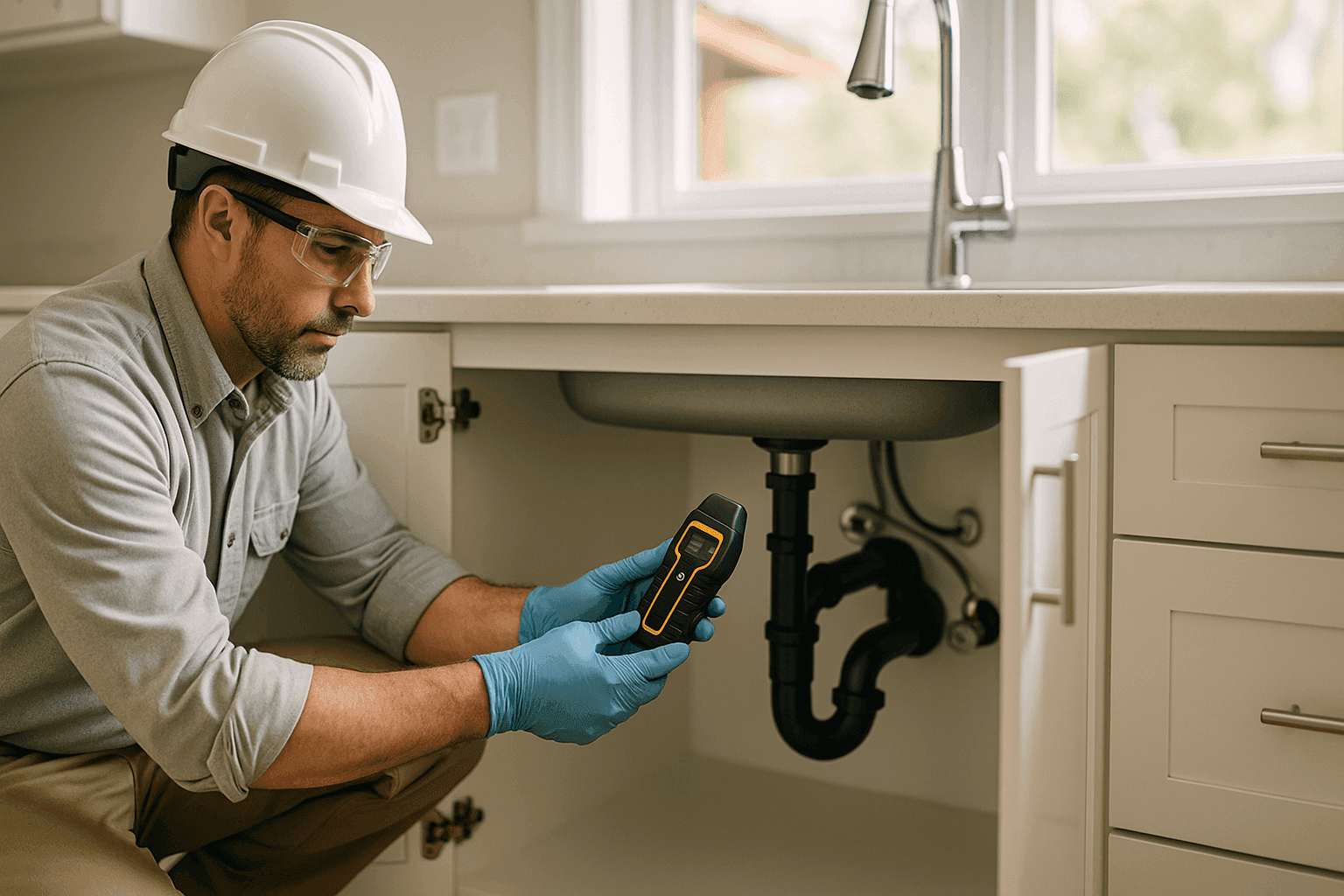
Is there a faint drip in your kitchen? Maybe you’ve noticed a mysterious stain on the ceiling. Plumbing leaks rarely announce themselves with a splash. More often, they creep in quietly—hidden behind walls or under floors, slowly building up trouble. At Asgard Inspections, we see the aftermath all too often: warped wood, peeling paint, and repair bills that could have been avoided.
But you don’t need X-ray vision to spot trouble early. Just a keen eye, a little know-how, and the right timing can save you from an expensive headache. Here’s how to catch leaks before they make your home their playground.
Why Small Leaks Spell Big Trouble
Water is both friend and foe in a house. A single, slow leak acts like a tiny termite—gnawing away at wood, drywall, and even your foundation. Ignore it, and you risk:
- Mold growth (a health hazard and a wallet-drainer)
- Higher water bills
- Damaged insulation and electrical wiring
- Rotting joists or subflooring
- Attracting pests who love damp hideaways
Left unchecked, what starts as a drip can lead to thousands in repairs, not to mention safety risks. The National Association of Home Builders and the International Association of Certified Home Inspectors both warn that early leak detection is crucial for property health and safety.
Quick Safety Checklist 🛠️
Before you turn detective, remember: safety first. Use this checklist to stay out of harm’s way:
- Shut off electricity near any suspected wet areas (especially basements or crawl spaces)
- Wear gloves when checking under sinks or behind appliances
- Watch for slippery floors or sagging ceilings—signs water is pooling out of sight
- Keep an eye (and nose) out for mold or musty odors; don’t disturb visible mold without proper PPE
- If in doubt, pause and call a certified home_inspection service
Where Leaks Lurk: The Usual Suspects
Leaks rarely show up in plain sight. Check these spots first:
Kitchen
- Under the sink—look for puddles, warped wood, or stains inside cabinets
- Around dishwasher connections
- Refrigerator water lines (especially ice makers)
Bathrooms
- Beneath vanities and toilets
- Around tubs and showers (soft floors or peeling caulk are clues)
- Behind tile—loose or discolored grout may mean water is seeping in
Basement & Crawl Spaces
- Along walls—look for chalky white stains, which could mean water is wicking through
- Around water heaters, sump pumps, and exposed pipes
Laundry & Utility Rooms
- Hoses behind washers—bulges, cracks, or dampness are red flags
- Floor drains—they should be dry and odor-free
DIY Leak Detection: Simple Steps
Feel like rolling up your sleeves? Here’s how to play detective at home:
1. The Water Meter Test
- Turn off all faucets, appliances, and irrigation.
- Check your water meter (usually outside or in the basement).
- Wait two hours. If the meter moves, water is flowing somewhere it shouldn’t be.
2. Visual & Smell Checks
- Look for water stains, bubbling paint, or peeling wallpaper.
- Sniff for musty odors—often the first clue to hidden mold or leaks.
3. Listen
- At night, when the house is quiet, listen for hissing or dripping behind walls.
4. Touch
- Run your hands along exposed pipes. Dampness or corrosion often means a slow leak.
If you find any clues but can’t pinpoint the source, it’s time to call in a professional.
DIY or Dial a Pro?
Some leaks are obvious—a puddle under the sink, a toilet that won’t stop running. You can often fix these with a wrench or a new washer. But don’t try to tackle:
- Leaks inside walls or ceilings
- Recurring or spreading water stains
- Mold patches larger than a dinner plate
- Spongy floors or sagging ceilings
That’s when a certified home_inspection specialist, like Asgard Inspections, makes all the difference. We use diagnostic tools—moisture meters, infrared cameras, and acoustic sensors—to find hidden leaks without tearing your home apart.
What Pros Bring to the Job
When you call in an inspector, you get more than a quick glance. Here’s what happens:
- Thorough assessment: Inspectors check plumbing fixtures, exposed pipes, and high-risk areas.
- Advanced tools: Moisture meters and thermal imaging find damp spots behind drywall.
- Code knowledge: Inspectors follow standards set by the International Association of Certified Home Inspectors and local building codes.
- Comprehensive reporting: You get a detailed summary—what’s leaking, why, and what needs to be fixed.
This approach means you catch problems early, before they turn into disasters.
Prevention & Maintenance: Staying Ahead of Leaks 🔍
A little vigilance goes a long way. Here’s how to keep leaks from sneaking up on you:
- Inspect under sinks and around appliances monthly
- Replace old hoses on washing machines and dishwashers every 5 years
- Seal tile and grout in bathrooms regularly
- Monitor water bills for sudden spikes
- Insulate pipes before winter to prevent freeze-related bursts
Regular home_inspection—including Plumbing Leak Detection and Indoor Air Quality Testing near you—adds an extra layer of peace of mind.
Costs & Time Factors
Every home and leak is different. Here’s what to expect:
- Simple fixes: A dripping faucet or loose connection might take 10–30 minutes and minimal cost.
- Hidden leaks: Finding and repairing leaks inside walls or floors can take several hours, plus repair time for any damaged materials.
- Inspection fees: Certified inspections are typically a fraction of major repairs. They provide clarity and save money long-term.
Early action always costs less than ignoring the problem.
When It’s an Emergency
Some leaks can’t wait. Call a pro immediately if you see:
- Water pouring from ceilings, walls, or floors
- Electrical outlets or panels near wet spots
- Persistent mold growth, especially with children or elderly at home
- Sudden loss of water pressure or water discoloration
Shut off your main water supply and, if safe, turn off power to affected areas.
Common Questions: Plumbing Leaks & Home Inspections
How often should I check for leaks?
Inspect high-risk areas monthly. Schedule a professional home_inspection yearly, or any time you notice warning signs.
Can small leaks really cause major damage?
Absolutely. Even a tiny drip can soak insulation, rot framing, and trigger mold growth—sometimes within days or weeks.
What professional tools detect hidden leaks?
Certified inspectors use moisture meters, infrared cameras, and acoustic sensors. These tools spot moisture behind walls, under floors, or in ceilings—places you can’t see.
Does homeowners’ insurance cover leak damage?
Policies vary. Most cover sudden, accidental leaks but not gradual damage due to neglect. Early detection helps protect your claim.
Local & Seasonal Considerations 🏠
Leaks spike in winter, when pipes freeze and burst. Spring rains can reveal hidden foundation or roof leaks. In humid climates, mold grows faster where leaks linger. Schedule seasonal home_inspection visits to stay ahead of local risks.
A little vigilance saves a lot of trouble. If you suspect a leak or want peace of mind, don’t wait—early detection is your best defense.
Call Asgard Inspections now — or reach us anytime at 877-773-4201 .