Mold Inspection Guide: Prevention, Detection, and Remediation for Homeowners
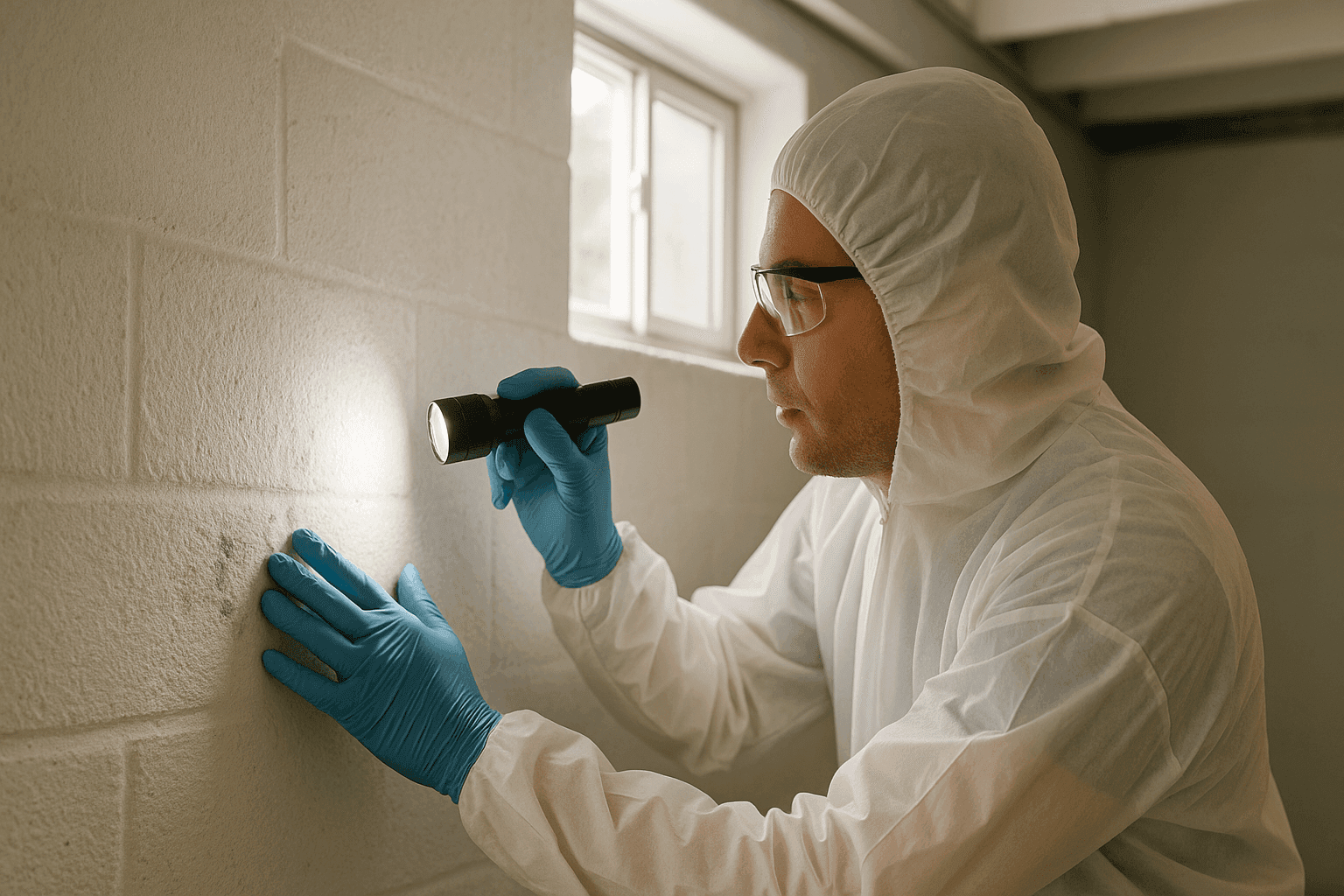
Mold. Just the word can make a homeowner uneasy. It creeps into corners, lurks behind paint, and sometimes, you don’t even know it’s there until your nose tells you something’s off. At Asgard Inspections, we know how quickly a small leak can turn into a big problem.
Mold isn’t just unsightly—it’s a warning sign. Left unchecked, it can threaten your home’s value and your family’s health. Let’s break down what causes mold, where it hides, and most importantly, what you can do about it.
What Causes Mold to Grow in Homes?
Think of mold as an opportunist. It thrives wherever moisture and organic material meet. Here’s what sets the stage:
- Humidity: High indoor humidity (over 60%) is like rolling out the red carpet for mold.
- Leaks: A dripping pipe under the sink, a loose window seal, or a roof leak after a storm—water finds a way.
- Poor Ventilation: Stale air, especially in bathrooms, basements, and attics, lets condensation build up.
- Flooding & Storms: Sudden water intrusion from storms or burst pipes is a fast track to mold trouble.
Mold spores are everywhere, floating through the air. But they need moisture to latch on and grow. That’s why areas like crawl spaces, attics, and basements are common hotspots.
Mold’s Favorite Hiding Spots 🕵️
Mold doesn’t always announce itself. These are the places we regularly find it during a home_inspection:
- Behind drywall and wallpaper
- Inside HVAC systems
- Underneath sinks and cabinets
- In crawl spaces and attics
- Around windows and doors
- On basement walls
Pay attention to any spot where water sits, leaks, or condensation gathers.
Health Risks: Why Mold Is More Than Just Ugly
Mold is more than a cosmetic issue. According to the Centers for Disease Control and Prevention (CDC), exposure to mold can cause:
- Coughing, sneezing, and throat irritation
- Worsening asthma or allergies
- Headaches and fatigue
- More severe reactions for those with compromised immune systems
Children, the elderly, and anyone with respiratory conditions are especially at risk. This is why Indoor Air Quality Testing near you and regular home_inspection services are so important.
Visual and Odor Cues: How to Spot Mold Early
You don’t need a microscope to spot trouble. Mold makes itself known if you know what to look for:
- Stains or Discoloration: Black, green, or brown splotches on walls, ceilings, or grout lines.
- Peeling Paint or Wallpaper: Moisture behind surfaces can cause bubbling or peeling.
- Musty Odor: Mold has a distinct smell—think damp basement or wet socks.
- Warped Wood: Wood that looks or feels swollen may be harboring mold.
If it looks suspicious or smells off, don’t ignore it.
Quick Safety Checklist for Homeowners
- Run bathroom and kitchen exhaust fans after every use.
- Fix plumbing leaks as soon as you notice them.
- Use a dehumidifier in damp areas (basements, crawl spaces).
- Check window seals and weather stripping.
- Keep gutters clean and direct downspouts away from your foundation.
- Inspect after heavy rain or flooding.
- Wear gloves and an N95 mask if cleaning small areas of mold.
DIY Mold Prevention Tips
Not every mold battle requires a hazmat suit. Here are steps you can take today:
- Ventilation: Open windows when weather allows. Use fans in bathrooms, laundry rooms, and kitchens.
- Monitor Humidity: Hygrometers are inexpensive and help keep tabs on indoor humidity.
- Routine Inspections: Check under sinks, around windows, and in the attic or basement monthly.
- Repair Leaks Fast: Even a slow drip is enough to start a colony.
- Clean Regularly: Pay extra attention to grout, tile, and shower curtains.
Remember: Bleach will not kill mold on porous surfaces. Use EPA-registered fungicidal solutions for safe, effective cleaning.
DIY vs. When to Call a Pro
So, you’ve found a patch of mold. Should you tackle it yourself or call for a professional home_inspection?
DIY Is Usually Safe When:
- The affected area is less than 10 square feet (about a 3x3 foot patch).
- It’s on non-porous surfaces like tile or metal.
- You have no underlying respiratory issues.
Call Asgard Inspections When:
- The area is larger than 10 square feet.
- Mold keeps coming back after cleaning.
- You smell mold but can’t find the source.
- You suspect it’s in HVAC ducts, crawl spaces, or behind walls.
- Anyone in the home is experiencing health symptoms.
Professionals use specialized equipment—thermal cameras, moisture meters, and air sampling—to identify hidden mold and moisture.
What Pros Do On Arrival
A certified home_inspection brings a systematic approach:
- Assessment: We start by asking about recent leaks, floods, or humidity problems. We’ll listen to your concerns and note any visible clues.
- Visual Inspection: Inspectors search all high-risk areas—attics, basements, crawl spaces, behind appliances, HVAC systems, and more.
- Moisture Mapping: Using moisture meters and infrared cameras, we find damp spots invisible to the naked eye.
- Air and Surface Sampling: Samples are sent to accredited labs for analysis, following protocols from the EPA and the American Industrial Hygiene Association (AIHA).
- Report & Recommendations: You receive a detailed report outlining findings, health risks, and a remediation plan.
Industry best practices recommend that inspectors be certified, such as through the International Association of Certified Home Inspectors (InterNACHI) or similar organizations.
Mold Remediation: Steps and Safety Protocols
When mold is found, remediation is a careful, multi-step process:
- Containment: Plastic sheeting seals off affected areas to prevent spores from spreading.
- Protective Gear: Technicians wear respirators, gloves, and protective suits.
- HEPA Filtration: Air scrubbers and vacuums capture airborne spores.
- Removal: Porous materials (like drywall or carpet) are removed if they can’t be cleaned.
- Cleaning & Disinfection: All surfaces are cleaned with fungicidal solutions recommended by the EPA.
- Moisture Source Repair: Fixing leaks or ventilation issues is critical to prevent recurrence.
- Clearance Testing: The area is tested again to ensure mold is gone.
Remediation must follow guidelines from authorities like the EPA and Occupational Safety and Health Administration (OSHA) for safe, effective results.
Prevention & Maintenance: Keeping Mold Out for Good
- Maintain Gutters & Downspouts: Keep water flowing away from your home.
- Landscape Grading: Ensure soil slopes away from the foundation.
- Seasonal Checks: Inspect after heavy storms, snow melts, or flooding events.
- HVAC Maintenance: Change filters regularly and schedule annual inspections.
- Attic & Crawl Space Vents: Keep them open and unobstructed.
A little vigilance now can save you a major headache later.
Costs & Time Factors
Mold inspection and remediation costs vary widely. Factors include:
- Size of the affected area
- Location (easy access vs. hidden)
- Extent of water damage
- Need for follow-up testing
A typical inspection takes 1–3 hours. Remediation may take several days for larger jobs. While insurance may cover certain types of water damage, check your policy for mold-specific clauses.
When It’s an Emergency 🚨
Some situations call for immediate action:
- Flooding from storms, burst pipes, or sewage backups.
- Visible mold after a major leak.
- Family members experiencing severe respiratory symptoms.
- Mold growth in HVAC or on wooden structural components.
Don’t wait—contain the area, turn off HVAC systems, and contact a certified home_inspection team right away.
Frequently Asked Questions
How dangerous is mold, really?
Most household mold isn’t toxic, but all mold can cause health problems or damage property if left unchecked. Black mold (Stachybotrys chartarum) gets the headlines, but all visible mold needs prompt attention.
Can I use bleach to clean mold?
Bleach works on non-porous surfaces but does not penetrate materials like drywall or wood. Use EPA-recommended fungicides, and if in doubt, call a pro.
Will insurance cover mold removal?
Some policies cover mold caused by sudden events like burst pipes. Many exclude mold from gradual leaks or poor maintenance. Review your policy or speak to your provider for specifics.
How can I test my indoor air quality?
Professional Indoor Air Quality Testing near you measures mold spores and other pollutants. DIY kits are available but may not be as accurate as lab-based analysis.
Local & Seasonal Considerations
Storms and heavy rain can introduce moisture where you least expect it. In humid climates or during summer, run dehumidifiers and monitor problem areas more closely. After flooding or snowmelt, inspect basements and crawl spaces. Mold doesn’t take a vacation—neither should your vigilance.
The Environmental Protection Agency (EPA) and Centers for Disease Control and Prevention (CDC) both emphasize the importance of early detection, prompt repairs, and certified inspections.
Want peace of mind? Call Asgard Inspections now — or reach us anytime at 877-773-4201 .