HVAC Inspection for Homeowners: Maintenance, Warning Signs, and Seasonal Prep
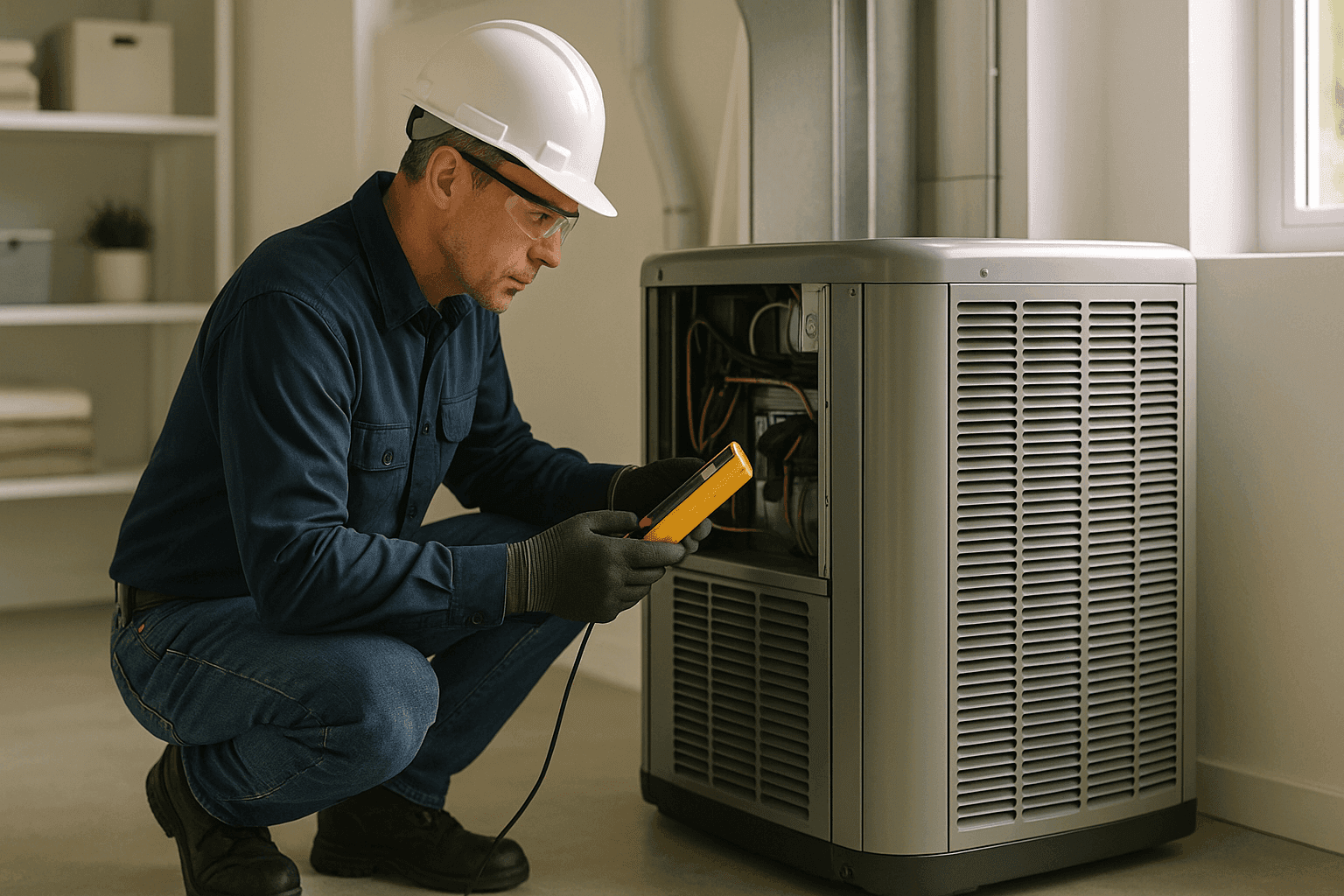
Is your home’s HVAC system quietly working for you—or waiting to surprise you with a breakdown? Most homeowners rarely think about their heating and cooling until something goes wrong. By then, comfort is already lost, and repairs can be costly.
At Asgard Inspections, we know that regular HVAC inspection is the bedrock of reliable indoor comfort, safety, and energy savings. Let’s walk through how to keep your system humming—and how to spot trouble before it’s too late.
Why Regular HVAC Inspection Matters
Imagine your HVAC system as the lungs and heart of your home. It moves air, balances temperatures, and keeps your living space safe. But just like any hard-working organ, it needs care. Neglect leads to surprise breakdowns, higher bills, and—sometimes—dangerous situations.
A home_inspection with a focus on HVAC isn’t just a box to check; it’s your shield against discomfort and expense. The American Society of Home Inspectors (ASHI) and the International Association of Certified Home Inspectors (InterNACHI) both underscore the importance of annual (or seasonal) HVAC checks for system longevity and family safety.
Quick Safety Checklist 🛑
Before each season, do these five things—no tools required:
- Check your thermostat. Does it respond? Change the batteries if needed.
- Listen for odd noises. Grinding, squealing, or banging? Note them.
- Look for visible leaks or rust. Around the furnace or air handler.
- Check air filters. Dirty? Change them—usually every 1–3 months.
- Smell the air. Musty or burning odors are red flags.
If you notice anything off, don’t ignore it. Small problems can grow fast.
DIY vs. Call a Pro
Some HVAC tasks are safe and simple for homeowners. Others require trained eyes—and sometimes, a license.
DIY-friendly:
- Replacing air filters
- Clearing vents and registers of dust or obstructions
- Wiping down exterior units (no pressure washers!)
- Checking the thermostat
Call a professional for:
- Annual system inspection and cleaning
- Refrigerant or coolant issues
- Electrical faults
- Persistent hot/cold spots or chronic short cycling
- Indoor Air Quality Testing near you
DIY is like brushing your teeth; professional inspection is your regular dental checkup. Both matter.
What Inspectors Check On Arrival
When a certified inspector from Asgard Inspections visits, here’s what we review—following industry standards (ASHI, InterNACHI, and International Residential Code):
- Thermostat function: Response and calibration
- Electrical connections: Signs of wear, corrosion, or loose wires
- Blower components: Cleanliness and balance
- Burners and heat exchangers: Cracks, rust, and carbon monoxide risk
- Condensate drain and pans: Blockages or leaks
- Ductwork: Leaks, insulation gaps, and airflow balance
- Refrigerant lines and levels: Proper charge, no leaks
- Filters and air quality: Replacement needs, signs of mold or dust
- System cycling: Proper start-up and shutdown
If needed, we’ll recommend further specialized inspections, like carbon monoxide testing, mold inspection, or Indoor Air Quality Testing near you.
Prevention & Maintenance Tips
Consistency is key. Like watering a plant, a little regular attention keeps systems healthy.
Every month:
- Change or clean air filters
- Check for strange noises and odors
Every season:
- Clear debris from around outdoor AC units
- Test thermostat and adjust settings for weather
- Open or close registers to balance airflow
Annually:
- Schedule a professional HVAC home_inspection
- Have ducts inspected for leaks and cleaned if needed
- Get Indoor Air Quality Testing near you if allergies or asthma are a concern
Simple habits save you money—sometimes hundreds a year in energy bills.
Costs & Time Factors
How much does an HVAC inspection take—in both hours and dollars? While prices and timing vary by home size and system complexity, here’s a ballpark:
- Time: 1–2 hours for a standard residential inspection
- Cost: Generally ranges from $100–$400, depending on region and if additional services (like duct cleaning or Indoor Air Quality Testing) are added
Remember, catching an issue early is usually far less expensive than waiting for a full system failure.
When It’s an Emergency
Some HVAC issues can’t wait. If you notice any of these, act fast:
- Sudden loss of heat in winter or AC in summer
- Burning smells or smoke from vents
- Wet spots or pools of water near the furnace or AC
- Sparks or electrical popping sounds
- Carbon monoxide alarms going off
Turn the system off and exit the home if there’s any sign of electrical fire or gas leak. Then call for emergency professional help.
FAQ: HVAC Inspection and Maintenance
How often should I schedule an HVAC inspection?
Most manufacturers and safety organizations recommend at least once a year—ideally before the heating or cooling season starts.
Can I just clean my filters and skip the inspection?
Changing filters helps, but it’s no substitute for a full system review. Many dangerous problems happen out of sight—like cracking in heat exchangers or hidden electrical faults.
How do I know if my HVAC is energy efficient?
Look for rising energy bills, uneven temperatures, or if your system runs constantly. An inspection can pinpoint issues and recommend energy efficiency improvements.
Is Indoor Air Quality Testing near me included?
Not always standard, but it’s a smart add-on—especially if anyone in your home has allergies, asthma, or unexplained symptoms.
Local and Seasonal Considerations 🏠
Heat waves and cold snaps can strain even a healthy HVAC system. Before each extreme season—typically late spring and early fall—schedule your inspection. In humid climates, mold and condensation are common enemies, while dry regions may see more dust and filter clogs. If you use a fireplace or wood stove, combine your HVAC check with a chimney inspection for safety.
Remember: energy codes and recommended practices may vary by region. The U.S. Department of Energy and your local building office are valuable resources for current guidelines.
Staying comfortable, safe, and efficient at home isn’t luck—it’s proactive care. Ready for peace of mind?
Call Asgard Inspections now — or reach us anytime at 877-773-4201 .