Lead Paint Inspection: Why It Matters for Older Homes
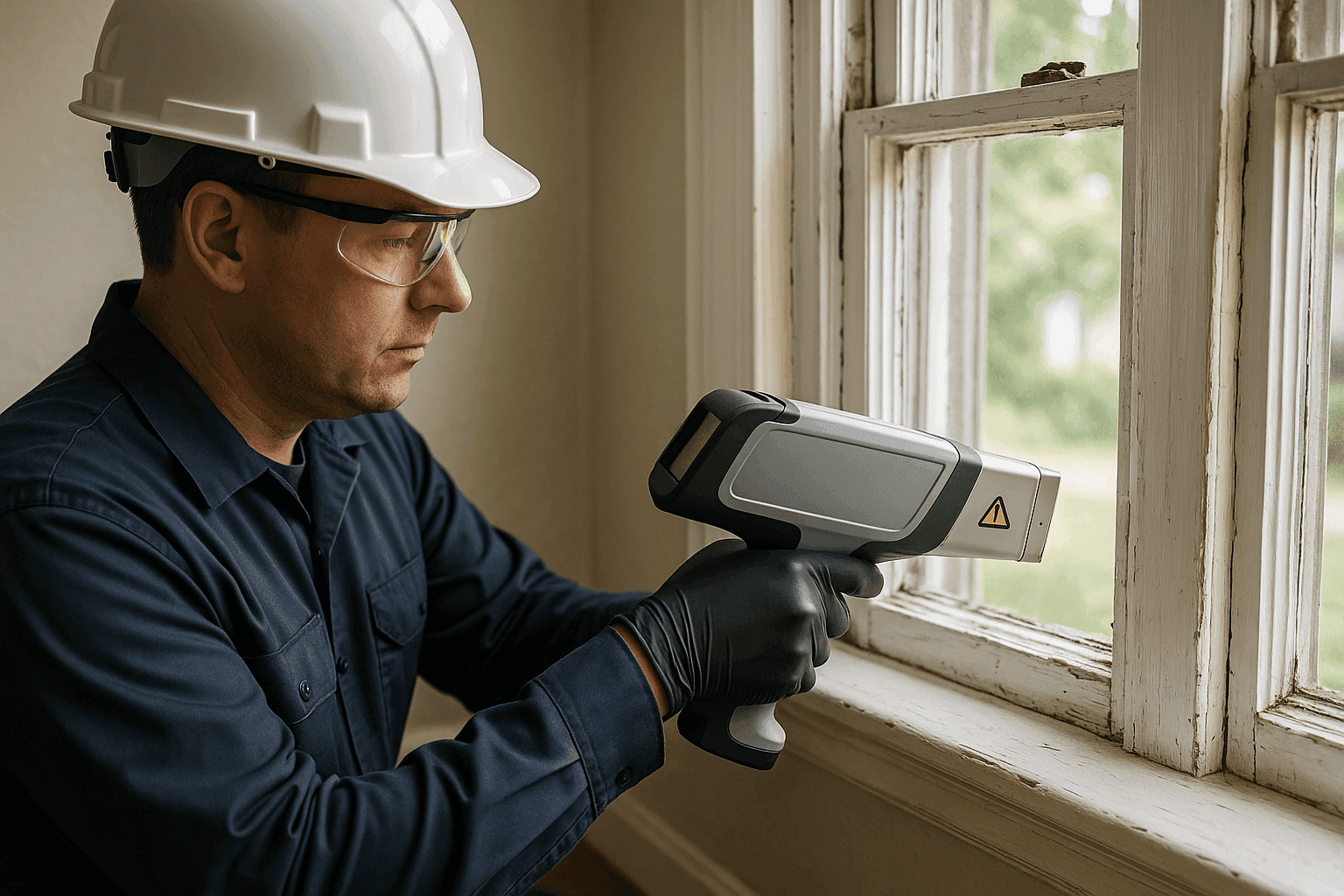
If your home was built before 1978, it may be hiding a secret that could affect your family’s health—lead paint. It’s easy to overlook, buried under fresh coats or hidden in the corners of old window sills. But for families, especially those with small children or expecting parents, ignoring lead paint is like leaving the back door open during a storm.
At Asgard Inspections, our job is to bring peace of mind, not panic. We help you see what’s really going on beneath the surface, so you can make your home as safe as it looks.
Why Lead Paint in Old Homes Is a Big Deal
Lead is sneaky. You can’t see it, smell it, or taste it, but it can cause serious health problems—especially for young kids and pregnant women. The Centers for Disease Control and Prevention (CDC) warns that even a little lead exposure can slow children’s growth, harm their brains, and lead to lifelong learning troubles. For pregnant women, lead can pass to the baby, putting newborns at risk before they even take their first breath.
Painted window frames, doors, stairs, and porches in homes built before 1978 are the usual suspects. When that paint chips, cracks, or peels, tiny lead dust particles become part of your indoor air quality. Every touch, every breeze, every opening and closing of a window can send those particles floating, often settling where children play or crawl.
Quick Safety Checklist: Is Your Home at Risk? 🏠
- Was your home built before 1978?
- Do you see chipping, peeling, or cracking paint, especially around windows and doors?
- Are there painted surfaces in places kids can chew or touch—like railings or baseboards?
- Has your home been remodeled, sanded, or repainted without a lead-safe contractor?
- Are you planning renovations, or do you have new occupants under age 6 or expecting a baby?
If you answered “yes” to any of these, it’s time to consider a lead paint inspection.
DIY Test or Call a Pro? What You Need to Know
You can buy DIY lead test kits at hardware stores. They’re quick and can give you a basic yes-or-no answer. But like using a flashlight in a dark attic, they only show you what’s right in front of you—not the whole picture.
Professional home_inspection teams like Asgard Inspections use more advanced tools and strict procedures. Our inspectors follow guidelines from the Environmental Protection Agency (EPA) and the U.S. Department of Housing and Urban Development (HUD). We’re trained to spot hidden risks and test surfaces you might never think to check.
DIY kits might miss layers of old lead paint under newer paint, or give false negatives if the paint is dirty or greasy. For peace of mind—especially if you’re buying, selling, or renovating—a professional inspection is the gold standard.
What Happens During a Professional Lead Paint Inspection
When our inspectors arrive, we don’t just eyeball your walls. Think of us as detectives on a mission to find hidden hazards. Here’s what happens:
Tools of the Trade
- X-Ray Fluorescence (XRF) Analyzer: This handheld device "sees" through paint layers, instantly detecting lead without damaging your walls.
- Paint Chip Sampling: Sometimes, we carefully collect tiny bits of paint for lab analysis—especially if a surface is difficult to scan or results are unclear.
- Dust Wipes and Soil Samples: Lead doesn’t just stay put. We may test dust on floors and windowsills, or soil near the home’s foundation, if there’s risk of outside contamination.
What to Expect
- We’ll check all painted surfaces—inside and out—including walls, ceilings, doors, trim, windows, stairs, railings, porches, garages, and sometimes even appliances.
- Inspections take a few hours, depending on your home’s size.
- You’ll get a detailed, easy-to-understand report with clear results and next steps.
- If lead is found, we explain where it is, how much there is, and what your options are for dealing with it.
Prevention & Maintenance: Keeping Your Family Safe
Lead paint doesn’t have to be a dealbreaker. With smart steps, you can keep your family safe:
- Keep Surfaces Smooth: Regularly check for peeling or chipping paint. Promptly repair or repaint any trouble spots.
- Wet Cleaning: Use damp cloths and mops to clean floors, windowsills, and other surfaces. Dry dusting can stir up lead.
- Renovate Safely: Always hire contractors certified in lead-safe practices (EPA’s Renovation, Repair and Painting Rule).
- Don’t Disturb Old Paint: Avoid sanding, scraping, or demolishing painted surfaces unless you know they’re lead-free.
- Wash Hands and Toys: Especially for young children, washing hands and toys often helps lower exposure.
If you’re planning major renovations, consult a home_inspection professional for Indoor Air Quality Testing near you and guidance on safe work practices.
Costs & Time Factors to Consider
Lead paint inspections aren’t one-size-fits-all, and costs vary based on:
- Home size: Larger homes take longer to inspect.
- Number of surfaces: More painted areas mean more tests.
- Testing methods: XRF scanning is fast, while lab analysis takes longer.
- Additional sampling: Dust, soil, or water tests may be recommended, depending on your situation.
Expect the process to take anywhere from 2–5 hours. Results from lab tests may take a few days. The investment is small compared to the health and safety benefits.
When It’s an Emergency
Some situations require urgent action:
- Children or pregnant women living in the home and chipping paint is present
- Major renovation or demolition planned on old painted surfaces
- Unexplained illness in children—especially developmental delays or stomach issues
If you suspect lead exposure, contact your pediatrician or local health department right away. The CDC and EPA both offer resources for emergency response.
Frequently Asked Questions About Lead Paint Inspections
How do I know if my home needs a lead paint inspection?
If your home was built before 1978, or if you have children under six or are pregnant, it’s wise to have an inspection. Any signs of peeling paint, recent renovations, or a history of water damage raise the risk.
What happens if lead is found?
Your inspection report will outline the location and amount of lead paint. Options include professional removal, sealing (encapsulation), or careful maintenance. Never try to remove lead paint yourself—improper handling can make the problem worse.
Are there laws about lead paint in homes?
Yes. The EPA requires disclosure of known lead paint hazards when selling or renting homes built before 1978. Contractors working on these homes must follow specific lead-safe rules. Local and state requirements may be even stricter.
Does insurance cover lead paint removal?
Coverage varies. Some policies exclude lead, while others may cover abatement if it’s required by law. Check with your insurance agent for details.
Local and Seasonal Considerations
In older neighborhoods or regions with a high number of pre-1978 homes, lead paint risk is higher. Seasonal weather matters too: Fluctuations in temperature and humidity can cause old paint to crack, increasing dust and debris.
Spring and summer are common times for home remodeling—and for unintentional lead exposure. If you’re planning renovations, schedule a home_inspection and Indoor Air Quality Testing near you before work begins.
Building Trust: Standards and Qualifications
At Asgard Inspections, our team is certified under EPA and HUD programs, and we follow the latest safety standards, including ASTM E1975 for lead-based paint inspections. We stay current on regulations and use only approved testing equipment. Your safety isn’t a box we check—it’s our mission.
Lead paint in older homes isn’t a mystery to fear—it’s a risk to manage. With a professional inspection, you get the facts, not guesswork. If you’re concerned about lead paint, don’t wait for cracks to appear.
Call Asgard Inspections now — or reach us anytime at 877-773-4201 .