What Does a Pre-Purchase Home Inspection Include? A Buyer’s Guide
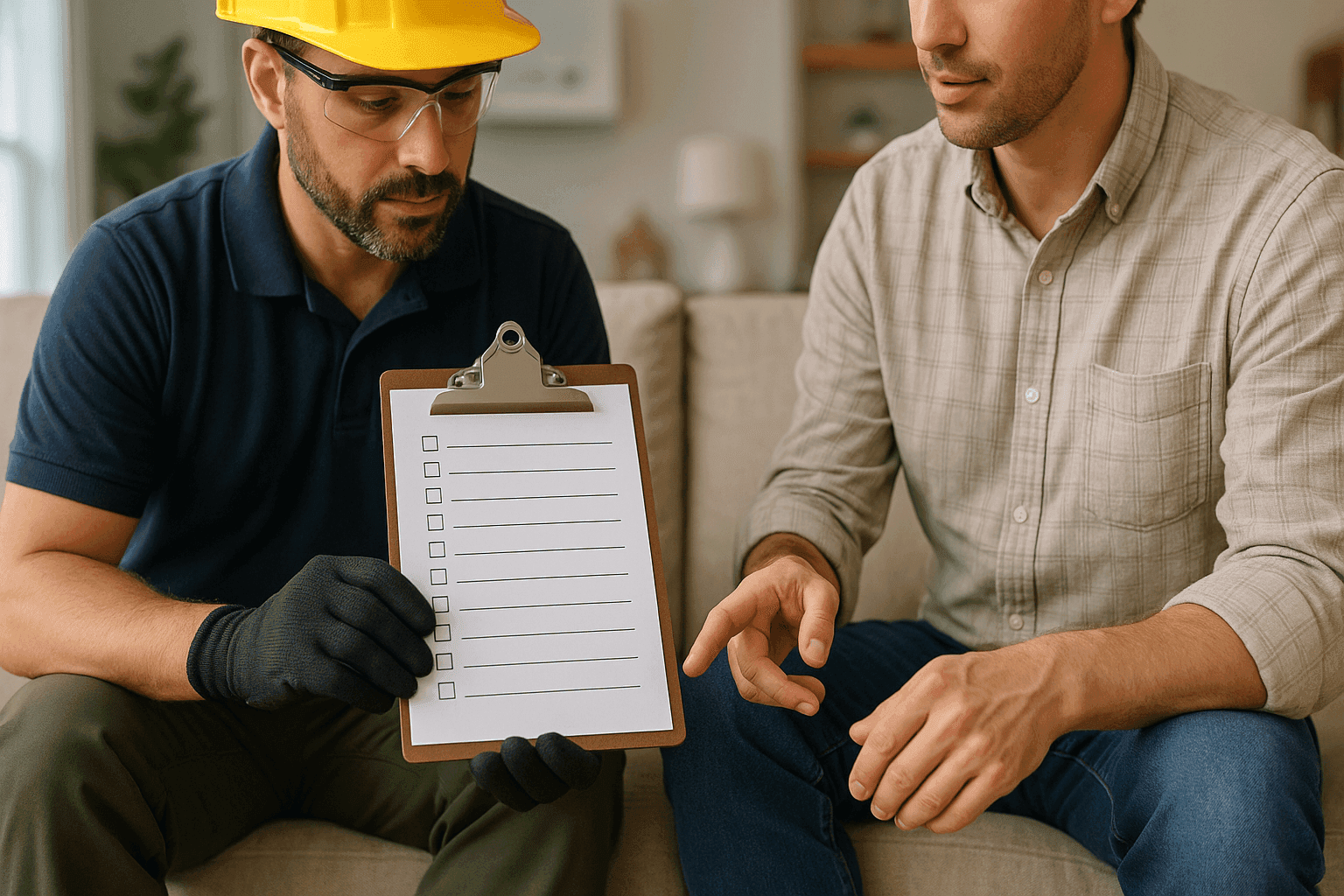
Buying a home is equal parts thrilling and nerve-wracking. You want a place to build memories—not a money pit of hidden problems. That’s where a pre-purchase home_inspection steps in. At Asgard Inspections, we understand what’s at stake and guide you through the process with clarity, not jargon.
A thorough inspection arms buyers with the knowledge needed to negotiate, budget, and ultimately sleep better at night. Let’s break down what’s actually covered, what those findings mean, and how you can use your inspection report to your advantage.
What’s at Stake in a Pre-Purchase Home Inspection?
Imagine you’re buying a car. You’d check under the hood, kick the tires, and take it for a spin. A home_inspection is the same—except the “vehicle” is where your family will live. The stakes are higher, and the risks can echo for years.
A pre-purchase inspection looks for warning signs in every nook and cranny: the bones (structure), the skin (roof and exterior), the beating heart (HVAC, plumbing, electrical), and the “invisible” threats (mold, radon, asbestos, and more).
Quick Safety Checklist for Buyers 🏠
When you hire a pro for a home_inspection, here’s what should get checked:
- Structure & Foundation: Cracks, settling, moisture, uneven floors
- Roof & Gutters: Missing shingles, leaks, drainage issues
- HVAC: Heating, ventilation, air conditioning function & age
- Plumbing: Leaks, water pressure, visible pipe condition
- Electrical: Wiring, outlets, panel, grounding, safety hazards
- Attic & Crawl Spaces: Insulation, moisture, pests, ventilation
- Basement: Water intrusion, mold, structural shifts
- Interior & Exterior: Doors, windows, walls, paint, decks
- Fire Safety: Smoke detectors, egress, fire hazards
- Special Hazards: Radon, asbestos, lead paint, carbon monoxide
- Water Quality: Well water or city supply, testing for contaminants
- Termite & Pest Evidence: Wood damage, signs of infestation
- Pools, Spas, Garages: Condition, safety barriers, mechanicals
This isn’t just a “kick the tires” approach. Each bullet is a window into your future comfort and safety.
DIY vs. Calling a Pro: Why Credentials Matter
There’s a world of difference between a quick walkthrough and a full inspection. Homeowners and buyers often spot chipped paint or a leaky faucet, but a certified inspector sees the story behind the symptoms.
At Asgard Inspections, our team is certified by national bodies and follows standards set by organizations like the International Association of Certified Home Inspectors (InterNACHI) and the American Society of Home Inspectors (ASHI). That means you get a trained eye—someone who knows what a small crack means in a 40-year-old foundation, or why a single missing GFCI outlet could be a shock hazard.
DIY checks are helpful, but they miss hidden risks. Licensed inspectors bring tools, experience, and knowledge you simply can’t replicate with an online checklist.
What Pros Do On Arrival
When you schedule a pre-purchase home_inspection near you, here’s what happens:
- Walkthrough: Inspectors start outside, circling the property, looking for drainage, grading, and roof issues.
- Exterior Inspection: Siding, windows, decks, patios, and garages get a close look for weathering, rot, or structural flaws.
- Interior Tour: Inside, they check every room—floors, walls, ceilings, doors, and safety features.
- Attic & Crawl Spaces: These hidden areas reveal clues about insulation, pests, leaks, and airflow.
- Major Systems: HVAC, plumbing, electrical panels, and fixtures are tested and observed for code compliance and safety.
- Specialized Testing: For older homes or if requested, inspectors may test for radon, lead paint, asbestos, and water quality.
- Documentation: Digital photos, checklists, and plain-language summaries help you see what the inspector sees.
The process can take two to four hours, depending on property size and complexity. Expect your inspector to poke, prod, and open panels—not just glance and go.
Area-by-Area: What’s Included in Detail
Structural & Foundation
- Look for visible cracks, uneven floors, sticking doors/windows
- Check crawl space supports, basement walls, and slab condition
- Assess for water stains, efflorescence (white residue), and settling
Common Issues: Minor settling is normal, but large cracks, sloping floors, or bowed walls can signal expensive repairs.
Roof & Gutters
- Inspect shingles, flashing, valleys, and ridges for wear or leaks
- Check gutters/downspouts for clogs, rust, or improper drainage
- Evaluate attic for signs of leaks or water stains
What It Means: Roof repairs range from simple shingle replacement to full tear-offs. Drainage problems can damage foundations.
HVAC (Heating, Ventilation, Air Conditioning)
- Test furnace, AC, and ventilation for proper function and airflow
- Inspect ductwork and look for signs of leaks or poor insulation
- Check for carbon monoxide risk and age of equipment
Red Flags: Old or poorly maintained systems may need replacement. Carbon monoxide is a silent, deadly hazard—detectors are a must.
Plumbing System
- Test water pressure, run all faucets and fixtures
- Look for leaks under sinks, around toilets, and in basements
- Inspect water heater age, venting, and safety features
Issues to Watch: Leaks can cause hidden mold and rot. Outdated supply lines (like polybutylene) can burst.
Electrical System
- Inspect main panel, breakers, wiring, grounding, and outlets
- Test GFCI/AFCI protection in kitchens, baths, and outdoors
- Look for double-tapped breakers, aluminum wiring, or scorch marks
What’s Risky: Outdated panels or unsafe wiring can be a fire risk. DIY “fixes” often cause more harm than good.
Attic & Crawl Spaces
- Check insulation levels, ventilation, and signs of animals
- Look for moisture, mold, or wood rot
- Assess vapor barriers and exhaust fans
Why It Matters: Poor insulation and hidden leaks drive up energy bills and foster mold.
Interior & Exterior
- Doors, windows, stairs, and railings checked for function and safety
- Look for peeling paint, siding issues, and rot on trim or decks
- Assess drainage away from the foundation
Cosmetic vs. Critical: Some issues are “lipstick,” others can lead to bigger headaches if ignored.
Special Hazards: Radon, Asbestos, Lead Paint, Mold
- Radon Testing: Radon is a radioactive gas—second leading cause of lung cancer, per the EPA. Testing is recommended, especially for basements.
- Asbestos Inspection: Common in insulation, tiles, and older building materials. Disrupting it can release toxic fibers.
- Lead Paint Testing: Homes built before 1978 may have lead-based paint, a serious risk to children.
- Mold Inspection: Hidden mold can trigger allergies and health issues; inspectors look for visible growth and musty odors.
What You Should Know: Hazardous findings don’t always kill a deal, but they do impact negotiations and safety planning.
Pools, Spas, and Additional Features
- Check pool/spa structure, safety barriers, pumps, and electrical
- Inspect garage doors, openers, and firewalls
- Assess decks and patios for stability and safety
Fact: Extras add value, but only if they’re safe and in good working order.
Using the Inspection Report in Negotiations
A quality home_inspection report is your roadmap—plain facts, photos, and explanations. Here’s how to use it:
- Prioritize Repairs: Focus on health, safety, and structural issues first.
- Request Seller Concessions: Ask for repairs or credits for significant problems.
- Budget Wisely: Know what’s urgent vs. what can wait.
- Walk Away If Needed: Some findings (like major foundation shifts or extensive mold) may not be fixable within your comfort zone.
Most reports are delivered within 24–48 hours. Review it carefully and ask questions. No question is too small when you’re about to make a big investment.
Prevention & Maintenance Tips from Inspectors 🛠️
- Change HVAC filters every 3 months
- Test smoke and carbon monoxide detectors monthly
- Clean gutters twice a year
- Watch for moisture around windows, in basements, and under sinks
- Schedule regular Indoor Air Quality Testing near you if you notice musty smells
A home_inspection isn’t just about the here and now—it’s a tool for long-term peace of mind.
Costs & Time Factors: What to Expect
- Time: Most inspections take 2–4 hours. Larger or older homes may take longer.
- Cost: Varies by home size, age, and local rates (check local licensing boards for average ranges).
- Special Tests: Radon, well water, mold, and lead paint testing are usually extra.
Remember: A thorough inspection is an upfront investment that can save thousands down the road.
When It’s an Emergency
Some issues can’t wait:
- Gas leaks or carbon monoxide alarms
- Active flooding or major plumbing leaks
- Electrical sparks, burning smells, or scorched outlets
- Structural collapse or severe foundation cracks
If your inspector finds a dangerous condition, act fast. Call the appropriate emergency services and postpone closing until repairs are made.
Frequently Asked Questions
How long does a pre-purchase home_inspection take?
Most take 2–4 hours, depending on the property size and complexity.
Can I attend the inspection?
Absolutely. In fact, it’s encouraged. Walking the property with your inspector helps you see issues firsthand and ask questions as you go.
Is every problem a dealbreaker?
Not at all. Most homes have minor issues. The goal is to spot major hazards or expensive repairs—so you can make an informed choice.
Are inspectors licensed?
Yes, reputable inspectors are licensed and follow standards of practice set by groups like InterNACHI and ASHI. Always ask to see credentials before hiring.
Local and Seasonal Considerations ☀️❄️
Depending on your region and the season, some issues are more common:
- Rainy climates: Watch for basement leaks and mold.
- Hot summers: HVAC and attic ventilation are critical.
- Cold winters: Frozen pipes, roof ice dams, and old insulation become top priorities.
Ask your inspector about seasonal factors that may affect your home. Local code requirements may also shape what’s inspected or tested.
Final Thoughts: Put Knowledge on Your Side
A pre-purchase home_inspection isn’t just another hurdle—it’s your guide through the unknown. Whether you’re a first-time buyer or an experienced homeowner, having a certified professional in your corner makes all the difference.
Ready to schedule a thorough, plain-language inspection?
Call Asgard Inspections now — or reach us anytime at 877-773-4201 .