How to Prepare for a Roof Inspection After Severe Weather
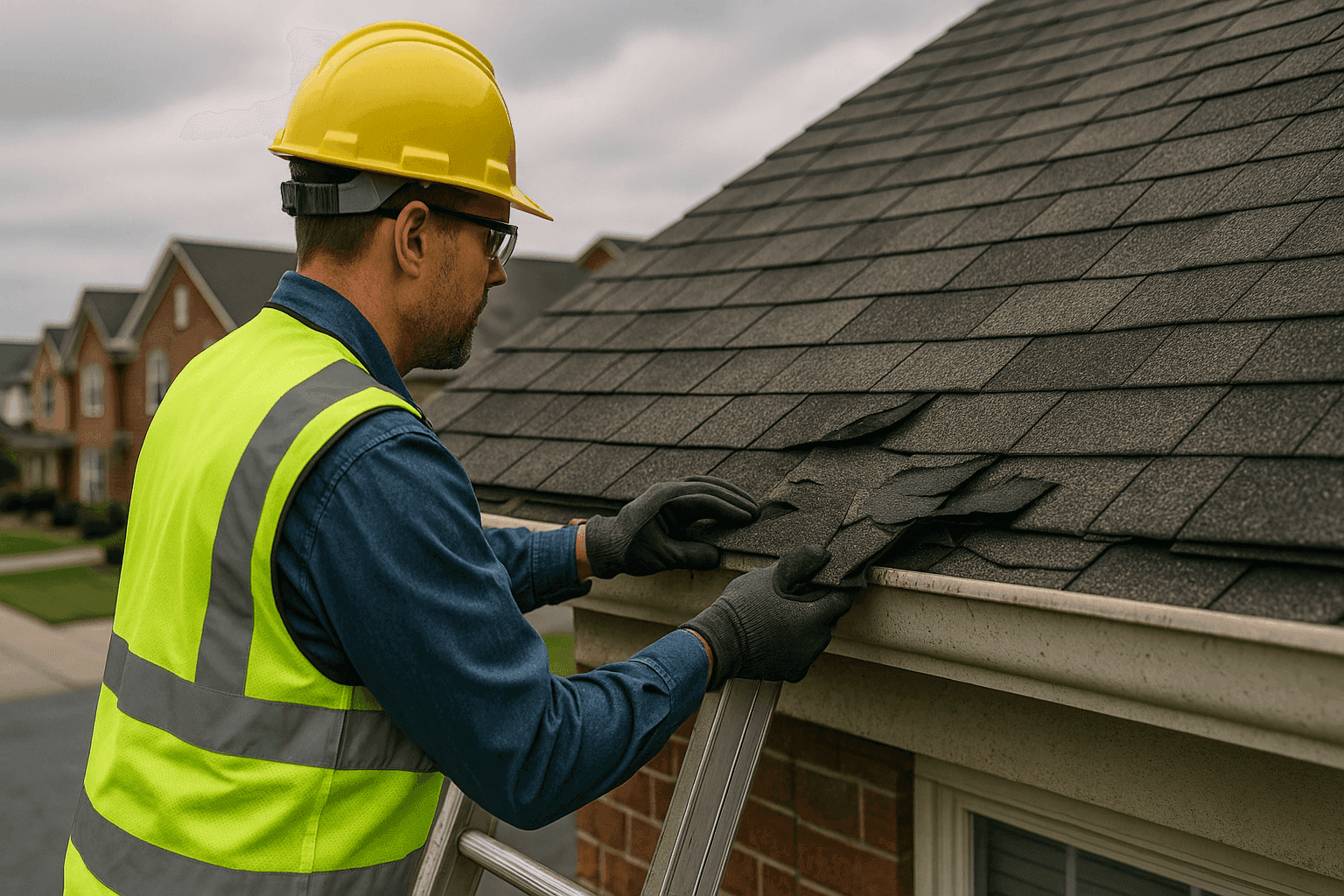
When a storm barrels through, the aftermath can leave you anxious and staring at your ceiling, wondering if the roof above your family is still doing its job. In those first tense hours, it’s hard to know what to do first. Roofs are like shields, but even the toughest ones can take a beating from hail, wind, or falling branches.
At Asgard Inspections, we know how urgent it feels to protect your home after severe weather. Quick, careful action can make all the difference—helping you avoid bigger headaches, costly repairs, and insurance hassles. Here’s how to prepare for a roof inspection after a storm, step by step.
Storm Damage: The Immediate Scenario
Severe weather can turn a quiet afternoon into a scramble. After high winds, heavy rain, or hail, your roof may look the same from the street—but hidden problems could be brewing. Think of your roof like a helmet: a single crack, even if small, can let in trouble.
Common roof issues after storms include:
- Missing or torn shingles
- Dented or bruised asphalt
- Damaged flashing around chimneys or vents
- Tree limbs puncturing the roof surface
- Granule buildup in gutters (hinting at shingle wear)
- Visible leaks or water stains inside your attic or ceilings
Ignoring these signs—even for a few days—can let water seep in, leading to much bigger problems like mold, rotted wood, or even electrical hazards.
Quick Safety Checklist: Your First Moves 🛑
Before you do anything else, keep safety front and center. Storms can leave behind hidden hazards.
Here’s what to do right away:
- Stay on the ground. Never climb on the roof after a storm. Surfaces could be slippery, weak, or hiding sharp debris.
- Visually inspect from a distance. Walk around your house and look for obvious issues—missing shingles, dangling gutters, broken branches.
- Check inside. Look in your attic and along ceilings for new stains, drips, or damp spots.
- Document everything. Snap clear photos of any visible damage outside and inside. This helps later with insurance and repairs.
- Keep pets and kids away. Don’t let anyone near loose power lines, fallen trees, or unstable structures.
- Call your utility company if you see downed wires or smell gas.
- Contact a home_inspection professional. Schedule a roof inspection as soon as possible.
DIY vs. Call a Pro: Knowing Your Limits
It’s tempting to grab a ladder and check things out yourself. But think of a roof after a storm like a frozen pond—you can’t see what’s safe beneath the surface. Most serious injuries happen when homeowners try to do their own inspections or repairs.
What not to do:
- Don’t walk on the roof, even if it “looks fine.”
- Don’t try to patch or tarp without training.
- Don’t ignore small leaks. Water travels in sneaky ways.
Professional inspectors like those at Asgard Inspections are trained to spot hidden issues and use safety gear. We follow standards outlined by the International Association of Certified Home Inspectors (InterNACHI) and local building codes, so nothing gets missed.
What Pros Do On Arrival
When a qualified inspector arrives, the process is methodical—no guesswork.
Here’s what you can expect:
- Exterior assessment: Inspectors check shingles, flashing, and roof penetrations from ladders or, if safe, by drone.
- Attic and ceiling inspection: Looking for leaks, wet insulation, or daylight peeking through.
- Structural check: Examining the roof decking, rafters, and supports for warping or sagging.
- Gutter and drainage review: Ensuring water flows away from your home, not into it.
- Documentation: Detailed photos and notes for your records and insurance.
- Safety protocols: Wearing harnesses, using stable ladders, and following OSHA guidelines.
You’ll get a clear report—no jargon, just facts—about what’s damaged, what’s at risk, and what needs fixing first.
Prevention & Maintenance: Stay Ahead of the Storm 🌧
Sometimes, the best defense is a good offense. Regular roof maintenance can reduce the risk of storm damage.
Tips for year-round roof health:
- Clear gutters twice a year. Backed-up water can force its way under shingles.
- Trim overhanging branches. Falling limbs are a main cause of roof punctures.
- Inspect after every major storm. Even if damage isn’t obvious, it can build up over time.
- Schedule annual home_inspections. Professionals spot issues early, saving you from big repairs.
Resources: The Federal Emergency Management Agency (FEMA) recommends annual roof checks, especially in storm-prone areas.
Costs & Time Factors: What to Expect
Every storm and every roof is different. But here’s what most homeowners can expect:
- Inspection time: Usually 1–2 hours, depending on roof size and complexity.
- Cost range: Varies by location and extent of damage—ask for a quote up front.
- Follow-up repairs: Minor fixes may be done quickly; major repairs can take days or even weeks, especially after regional storms.
- Insurance: Most policies cover storm-related roof damage, but documentation is key.
Remember, investing in a quality inspection pays off by preventing hidden damage from turning into expensive surprises.
When It’s an Emergency
Some roof issues can’t wait.
Call for immediate help if you notice:
- Water pouring through ceilings or light fixtures
- Sagging or collapsing roof sections
- Large holes or missing sections after a tree strike
- Exposed electrical wires or burning smells
In these situations, evacuate the area and contact emergency services or your utility provider first. An inspector can assess damage once the home is safe.
FAQ: Common Roof Inspection Questions
How soon after a storm should I schedule a roof inspection?
As soon as possible. Quick action prevents further damage and speeds up insurance claims.
Are roof inspections covered by insurance?
Policies vary. The inspection itself may not be covered, but repairs for storm damage usually are—save all documentation.
Can I stay in my home while the inspection happens?
Yes. Inspectors work safely outside and in attics; you can stay indoors unless there’s a structural hazard.
What if my roof looks fine, but I hear dripping?
Leaks can travel along beams before showing up. Always have an inspector check, even if you can’t see damage.
Local & Seasonal Considerations
Storm season varies across the country, but the basics don’t change. Whether you’re facing hurricanes, snowstorms, or summer hail, regular inspections and fast action after a storm keep your home safe and dry.
For homeowners in areas with heavy rainfall or snow, consider extra roof checks in spring and fall. In wildfire-prone regions, keep gutters and roof surfaces clear of pine needles and debris.
Don’t wait for the next storm to find out your roof isn’t ready.
Protect your home from top to bottom—call Asgard Inspections for your next home_inspection, indoor air quality testing near you, or a thorough roof check after severe weather.
Call Asgard Inspections now — or reach us anytime at 877-773-4201 .